+61 0414 892 096
FREE WEBINAR
A Deep Dive into the Hidden Mitochondrial Logic of Photobiomodulation
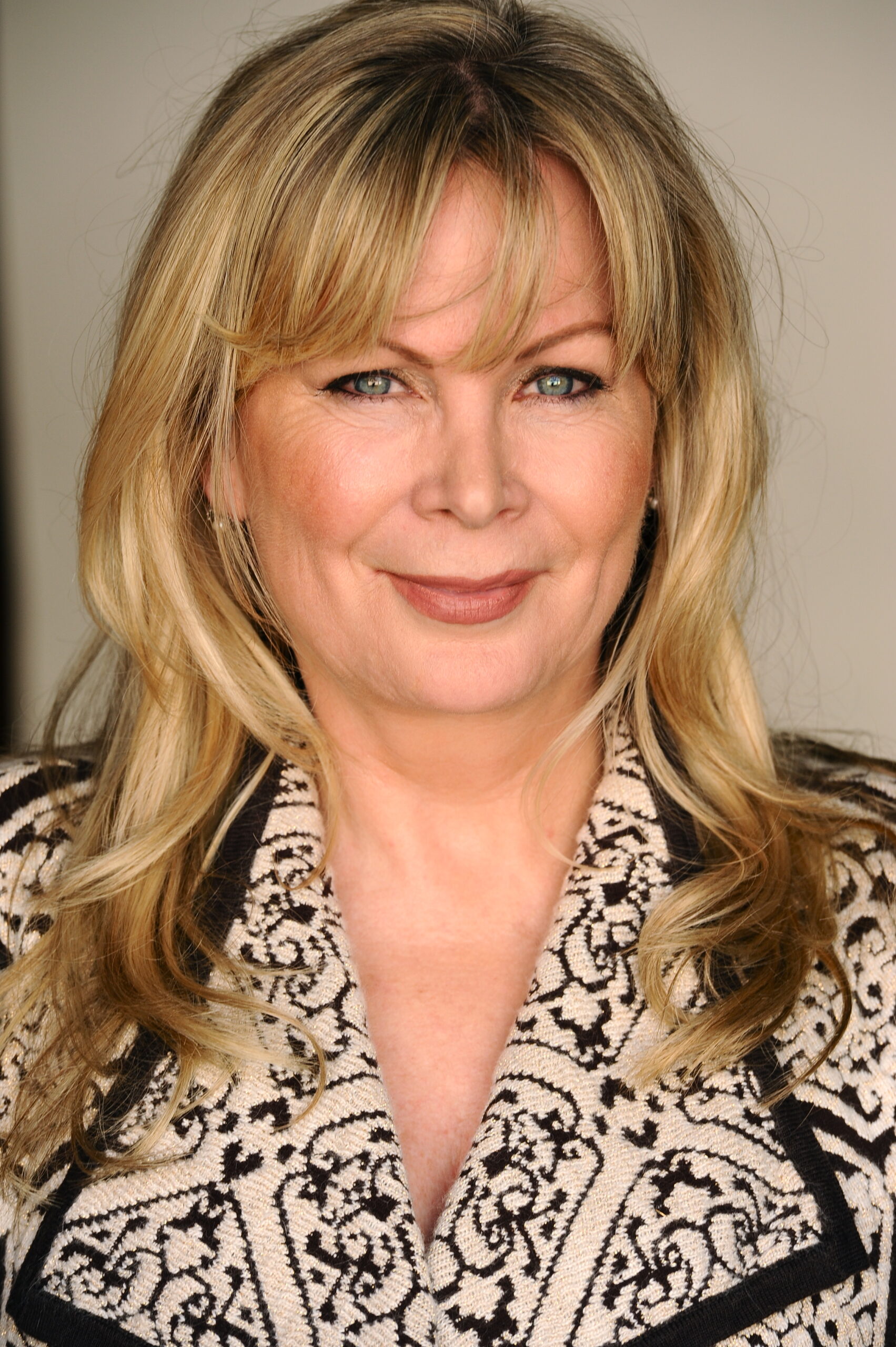
Presented by Jeannie Devereaux PhD
Thursday 5 March 2026 7:30 PM AEDT (Sydney, time)
Photobiomodulation (PBM) has traditionally been interpreted through the lens of mitochondrial adenosine triphosphate (ATP) enhancement; however, emerging evidence indicates that the biological logic of PBM extends far beyond simple bioenergetic upregulation. This presentation explores the deeper mitochondrial signalling architecture underlying Multiwave Locked System (MLS) photobiomodulation, focusing on how light-driven modulation of cytochrome c oxidase initiates complex redox, calcium, and mitochondrial–nuclear communication pathways. Rather than functioning solely as an energy stimulus, PBM acts as a regulatory signal that reshapes mitochondrial dynamics, reactive oxygen species (ROS) signalling, membrane potential stability, and metabolic reprogramming.
We examine how MLS PBM influences mitochondrial plasticity, including fission–fusion balance, mitophagy, and the transition between inflammatory and reparative cellular phenotypes. Particular emphasis is placed on photonic regulation of redox-sensitive transcription factors, nitric oxide dissociation, and downstream effects on cellular resilience, tissue repair, and neuro-immuno metabolic integration. The presentation synthesises current mechanistic insights with translational relevance, proposing that PBM operates as a mitochondrial logic modulator rather than merely an ATP amplifier. Understanding this deeper bio-signalling framework provides a more precise scientific basis for clinical applications in regenerative medicine, pain modulation, tissue repair, and neurobiological optimisation.
Learning objectives
- Explain the expanded mitochondrial model of photobiomodulation (PBM) beyond ATP production, including cytochrome c oxidase photoreception, redox signalling, and mitochondrial-nuclear communication.
- Analyse the biological mechanisms of MLS photobiomodulation, particularly its effects on reactive oxygen species (ROS) modulation, nitric oxide dynamics, calcium signalling, and mitochondrial membrane potential stability.
- Evaluate the role of PBM in mitochondrial plasticity, including regulation of fission-fusion balance, mitophagy, and metabolic reprogramming during tissue repair and inflammation resolution.
- Interpret the clinical implications of mitochondrial signalling modulation, linking PBM-driven cellular regulation to regenerative medicine, pain modulation, and neuro-immuno metabolic optimisation.
- Apply mechanistic understanding to therapeutic strategy, identifying how MLS PBM parameters may influence cellular phenotype transitions from inflammatory to reparative states in clinical practice.
A recording of this webinar is available in

Speaker
Biography
Jeannie Devereaux, PhD
Dr Jeannie Devereaux is an Australian scientist, educator, and clinician-researcher in the field of Regenerative Medicine. She holds a Doctor of Philosophy in Medical and Biological Sciences, a Bachelor of Dermal Science, and a Bachelor of Biomedical Science (1st Class Honours). With more than 25 years of professional experience across clinical, academic, and industry sectors, her work spans Dermatology, Plastic and Reconstructive Surgery, Gynaecology, and Orthopaedics, with a strong emphasis on translational regenerative therapies.
Since 2006, Dr Devereaux has been at the forefront of clinical cellular medicine in Australia, advancing the application of platelet-rich plasma, bone marrow concentrate, adipose-derived therapies, and stromal vascular fraction in both musculoskeletal and dermal regeneration. She has played a key role in establishing Regenerative Medicine Centres and guiding the safe and evidence-based integration of emerging biologic technologies into mainstream clinical practice.
Dr Devereaux is the Founder and Director of a Regenerative Medicine Academy, where she provides advanced professional education and hands-on clinical training in orthobiologics and dermal regenerative therapies. She is widely recognised for her expertise in therapeutic cell dosing, biologic mechanisms of repair, and clinical protocol optimisation with a focus on bridging scientific evidence, regulatory responsibility, and practical clinical outcomes.